
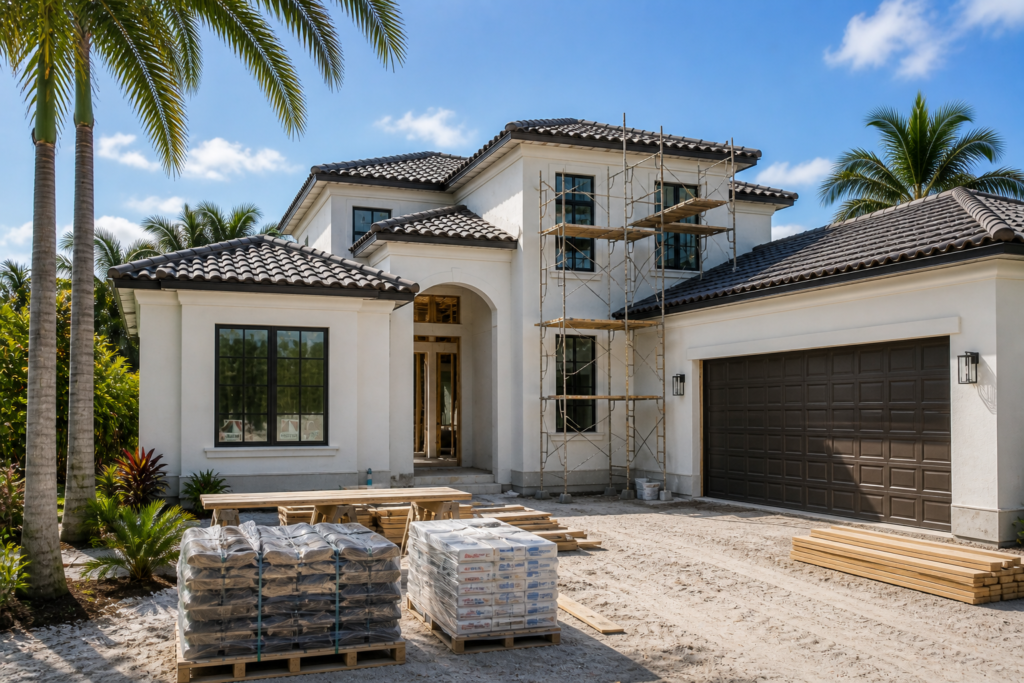
Mold can develop in new construction homes even when modern materials and building methods are used. That usually traces back to moisture that enters or remains during the building process. Materials like framing, drywall, and insulation can hold moisture if they are exposed to rain, high humidity, or enclosed before fully drying.
Once that moisture is trapped, it can persist behind finishes or within materials, creating conditions where mold can form later. The issue is not always visible at the time of construction, which is why problems can appear after the home is completed and occupied.
What Are the Primary Causes of Mold in New Construction Homes?
Mold in new construction homes typically develops when building materials are exposed to moisture and do not dry adequately before or after enclosure. Construction defects, drainage problems, leaks, and indoor humidity can all contribute to those conditions.
How Does Moisture During Construction Lead to Mold Growth?
Moisture is a critical factor in mold development, especially during the construction phase. Sources of moisture can include rain, humidity, and water used in construction processes. When materials such as drywall and insulation become wet, they can provide an ideal environment for mold spores to thrive. Preventive measures, such as using moisture barriers and ensuring proper drying techniques, are essential to mitigate this risk.
What Role Do Construction Defects and Building Materials Play in Mold Development?
Construction defects, such as improper sealing and inadequate drainage, can exacerbate moisture issues in new homes. Additionally, the choice of building materials significantly impacts mold growth. For instance, materials that are not mold-resistant can absorb moisture, leading to increased mold risk. Understanding the types of building materials used and addressing common construction defects can help reduce the likelihood of mold development.
How Does Poor Ventilation and Airtight Design Contribute to Mold Issues in New Builds?
In a tighter home, indoor moisture from showers, cooking, occupants, and other sources must be managed through appropriate ventilation and conditioning rather than relying on uncontrolled air leakage. If ventilation, air conditioning, or dehumidification is poorly designed or operated, indoor humidity can remain elevated and increase the likelihood that damp materials stay wet long enough for mold to develop.
Why Does Trapped Humidity Increase Mold Risk in Energy-Efficient Homes?
Energy-efficient homes often feature airtight designs that limit airflow. While this can reduce energy costs, it can also trap humidity inside the home. High humidity levels create an ideal environment for mold spores to flourish. Homeowners should consider incorporating ventilation systems that allow for adequate air exchange, such as mechanical ventilation with heat recovery ventilators (HRVs) or energy recovery ventilators (ERVs), to mitigate this risk.
However, it’s important to note that even advanced ventilation systems require proper design and maintenance to effectively prevent mold.
How Can HVAC Systems Help Control Moisture and Prevent Mold?
HVAC systems play a crucial role in controlling indoor humidity levels. Properly maintained HVAC systems can help regulate moisture and improve air circulation, reducing the likelihood of mold growth. Regular maintenance, including filter changes and system checks, is essential for ensuring these systems function effectively in preventing mold.
What Are the Signs and Risks of Hidden Mold in New Houses?
Identifying hidden mold in new homes can be challenging, but recognizing the signs is crucial for early intervention.
How Can Homeowners Identify Visual and Olfactory Signs of Mold?
Homeowners should be vigilant for visual signs of mold, such as discoloration on walls or ceilings, and must also pay attention to musty odors that may indicate hidden mold growth. Regular inspections of areas prone to moisture, such as bathrooms, basements, closets, and crawl spaces, can help in early detection.
What Health Impacts Are Associated with Mold Exposure in New Homes?
Mold exposure can cause allergic or respiratory symptoms in some people and may worsen asthma in sensitive individuals. Reactions vary from person to person. If mold is present in a new home, the building priority is to identify and correct the moisture source rather than trying to determine health risk from the appearance of the growth alone.
How Can Mold Be Prevented During and After New Home Construction?
Preventing mold during and after construction involves implementing effective moisture control strategies and ensuring proper ventilation.
What Moisture Control Strategies Are Effective During Construction?
Effective moisture control strategies during construction include:
- Moisture Barriers : Installing moisture barriers can prevent water from penetrating building materials.
- Drying Techniques : Utilizing drying equipment can help remove excess moisture from materials before they are enclosed.
- Site Management : Proper site management, including drainage and grading, can help divert water away from the foundation.
These strategies are essential for minimizing moisture exposure during the construction phase.
Such proactive measures are widely recognized as crucial for creating buildings that are resilient against moisture and mold.
How Do Proper Ventilation and Building Materials Reduce Mold Risk?
Choosing mold-resistant materials and ensuring proper ventilation are critical in reducing mold risk. Mold-resistant materials, such as treated drywall and insulation, can help prevent moisture absorption. Additionally, incorporating ventilation systems that promote air circulation can significantly reduce humidity levels, further mitigating mold growth.
What Steps Should Homeowners Take to Remediate Mold in New Construction?
When mold is discovered in new construction, prompt action is necessary to address the issue effectively.
When Is Professional Mold Inspection Necessary?
Homeowners should consider a professional mold inspection when they notice signs of mold growth or experience health issues related to mold exposure. Professionals can assess the extent of the problem and recommend appropriate remediation strategies.
What Are the Recommended Mold Remediation Processes for New Homes?
Effective mold remediation processes include:
- Assessment : Identifying the extent of mold growth and moisture sources.
- Containment : Isolating affected areas to prevent mold spores from spreading.
- Removal : Safely removing contaminated materials and cleaning surfaces.
- Post-Remediation Checks : Conducting follow-up inspections to ensure mold has been effectively eliminated.
Frequently Asked Questions
What are the long-term effects of mold exposure in new homes?
Mold exposure can trigger allergic and respiratory symptoms and may worsen asthma in some people. Individual responses vary depending on sensitivity and exposure. Anyone concerned about health effects should discuss those symptoms with a qualified healthcare professional. From a home-maintenance standpoint, the priority is to correct the moisture source and address visible or concealed mold growth appropriately.
How can homeowners maintain proper ventilation in their homes?
Homeowners can maintain proper ventilation by regularly using exhaust fans in kitchens and bathrooms, which helps remove excess moisture and odors. Additionally, opening windows when weather permits can improve air circulation. Installing mechanical ventilation systems, such as HRVs or ERVs, can also enhance indoor air quality by ensuring a consistent flow of fresh air. Regular maintenance of HVAC systems, including filter changes and duct cleaning, is crucial to ensure they operate effectively in controlling humidity and preventing mold growth.
What should be done if mold is found during a home inspection?
If mold is discovered during a home inspection, it is vital to take immediate action. Homeowners should first consult with a professional mold remediation specialist to assess the extent of the problem. The remediation process typically involves identifying moisture sources, containing affected areas, and safely removing contaminated materials. It is also important to address any underlying issues that contributed to mold growth, such as leaks or poor ventilation, to prevent future occurrences.
Are there specific building materials that can help prevent mold?
Yes, certain building materials are designed to resist mold growth. Mold-resistant drywall, treated wood, and moisture-resistant insulation are excellent choices for new construction. These materials are engineered to limit moisture absorption, making it more difficult for mold spores to thrive. Additionally, using non-porous surfaces in areas prone to moisture, such as bathrooms and kitchens, can further reduce the risk of mold development. Homeowners should consult with builders about incorporating these materials into their construction plans.
How often should homeowners inspect for mold in new construction?
Homeowners should conduct regular inspections for mold, especially in areas prone to moisture, such as bathrooms, kitchens, basements, and crawl spaces. It is advisable to perform these inspections at least twice a year, or more frequently in humid climates. Additionally, homeowners should inspect after heavy rainfall or flooding, as these events can increase the risk of mold growth. Early detection is key to preventing extensive mold issues and maintaining a healthy living environment.
What are the best practices for drying out a home after water damage?
After water damage, it is crucial to act quickly to dry out the home and prevent mold growth. Start by removing standing water using pumps or wet vacuums. Open windows and doors to promote airflow, and use fans and dehumidifiers to expedite the drying process. Remove wet materials, such as carpets and drywall, that cannot be adequately dried. It is essential to monitor humidity levels and ensure that all affected areas are thoroughly dried within 24 to 48 hours to minimize mold risk.
The Bottom Line
Mold in new construction is typically tied to moisture that was introduced or retained during the building process. When materials are not fully dried before enclosure, or when humidity remains elevated, those conditions can carry forward into the finished home.
When moisture is managed early—through proper drying, timing, and control of humidity—the risk is reduced. When it is not, the same underlying conditions remain in place, and mold can develop later even in a newly built home.