
Food often behaves differently in humid climates. Bread molds faster on the counter. Crackers lose their crunch sooner after opening. Fruit bowls overripen quickly. Flour behaves differently during baking, and pantry foods that once lasted weeks may suddenly seem less stable inside the kitchen.
For many homeowners, this becomes noticeable after moving to places with humid climates. The food itself did not necessarily change. The environment around it did.
Warm moisture-heavy air affects how foods store, dry, ripen, stale, mold, and absorb moisture inside the home. Some foods soften faster. Others spoil more quickly. Some simply lose texture and freshness long before they become unsafe.
This article contains affiliate links. If you make a purchase through one of these links, The Humid House may earn a small commission at no additional cost to you.
Humid Air Changes How Food Behaves Inside The Home
Food does not stop interacting with the environment after it enters the kitchen. Many foods continue exchanging moisture with the surrounding air long after they are opened, stored, sliced, or placed on the counter.
In dry climates, moisture often evaporates more easily from surfaces and packaging. In humid climates, the air already contains more moisture, which changes how quickly foods dry, stale, soften, ferment, or mold.
This affects foods differently depending on:
- moisture content
- packaging
- temperature
- airflow
- oil content
- storage location
- exposure to repeated humidity
The FDA explains that water activity plays an important role in microbial growth, chemical reactions, and food stability.
For homeowners, this usually becomes noticeable first through texture and freshness changes rather than obvious spoilage.
| Food Type | What Humidity Often Changes | What Homeowners Usually Notice |
| Bread | Trapped moisture supports mold growth | Mold appears sooner |
| Chips and crackers | Moisture softens texture | Food tastes stale quickly |
| Flour and baking ingredients | Absorb moisture from surrounding air | Dough feels wetter or stickier |
| Sugar and salt | Humidity causes clumping | Hard lumps form in containers |
| Fruit bowls | Warm humid air speeds ripening | Fruit overripens quickly |
| Potatoes and onions | Stagnant moisture affects storage | Earlier sprouting or softening |
| Spices and powders | Moisture exposure causes caking | Clumps form near lids |
| Whole grains and nuts | Heat speeds oxidation of oils | Rancid smell develops sooner |
Kitchens In Humid Climates Hold Moisture Differently
Kitchens naturally generate humidity throughout the day.
Cooking, boiling water, dishwashers, sink use, steam, and repeated door openings all add moisture into the surrounding air. In humid climates, that moisture often lingers longer because the outdoor air is already moisture-heavy.
This creates a different kitchen environment than many homeowners experienced in drier regions.
A kitchen in Florida during summer may experience:
- warmer cabinets
- slower drying surfaces
- more overnight humidity
- more moisture trapped inside pantry spaces
- reduced airflow during rainy periods
- more condensation during temperature swings
Some homes cool effectively while still struggling with lingering indoor humidity, especially during mild evenings or rainy stretches when the air conditioner runs less aggressively.
That combination of warmth and moisture affects food long before visible mold appears.
Bread Often Becomes The First Thing Homeowners Notice
Bread is one of the clearest examples of how humid indoor environments affect food.
Because bread already contains moisture, warm humid air can support mold growth much sooner than many people expect. Homemade bread often shows this especially quickly because it usually contains fewer preservatives than commercial loaves.
A loaf that lasted comfortably on the counter for several days in a dry climate may begin developing mold much sooner during humid summer weather.
Storage becomes a balance between texture and moisture control. Breathable wraps may preserve crust texture briefly but do little to slow mold growth. Fully sealed bags keep bread softer, but trapped interior moisture may also speed mold growth.
The USDA Food Safety and Inspection Service warns that mold can spread below the visible surface in soft foods, which is why moldy bread should generally be discarded rather than trimmed.
For many humid-climate households, freezing sliced bread becomes the most reliable long-term storage method because it slows both mold growth and moisture-related texture changes.
Dry Foods Slowly Absorb Moisture From Humid Air
Many dry foods depend on remaining relatively low in moisture during storage. Once humid air repeatedly enters the package, however, those conditions slowly begin changing.
This matters most for foods designed to stay:
- crisp
- crunchy
- powdery
- loose
- dry
Crackers, cereal, chips, baking mixes, breadcrumbs, flour, and powdered ingredients all become more vulnerable to texture changes after opening.
Penn State Extension notes that flour can absorb moisture from humid air, while dry air can pull moisture back out again. King Arthur Baking similarly explains that flour behaves “like a sponge” during humid weather because it naturally absorbs moisture from the surrounding environment.
That change affects baking more than many homeowners expect.
A recipe that worked perfectly in a dry climate may suddenly feel wetter or stickier in a humid kitchen even when measurements stay exactly the same. Pancake batter may thin out. Bread dough may spread more during proofing. Cookies may bake differently during long rainy stretches.
The flour itself is not necessarily damaged. It is simply beginning the recipe with a different moisture level than it would in a drier environment.
Produce Often Ripens Faster In Warm Humid Kitchens
Humidity does not only affect dry pantry foods.
Fresh produce also behaves differently inside warm humid homes, especially when kitchens remain warm throughout the afternoon or evening.
Fruit bowls are often one of the first things homeowners notice after moving to humid climates. Bananas brown faster. Berries mold sooner. Citrus softens more quickly. Avocados may overripen within a surprisingly short window.
Part of this comes from temperature, but humidity also changes how moisture behaves around produce surfaces.
Some fruits naturally release ethylene gas as they ripen. In warm humid kitchens with limited airflow, ripening processes may feel accelerated compared to cooler drier homes.
Potatoes and onions can also behave differently. Warm stagnant pantry air may increase softening, moisture buildup, or earlier sprouting over time.
Pantry And Cabinet Location Matter More Than Most Homeowners Realize
Not every cabinet stores food equally well.
A pantry beside the dishwasher, garage entry, laundry room, exterior wall, or oven may become noticeably warmer throughout the day than homeowners realize. Some enclosed pantry spaces also trap stagnant humid air surprisingly easily.
This is one reason food sometimes feels like it “expires faster” after moving to humid climates. The grocery habits themselves may not have changed. The storage environment did.
Many humidity-related food problems begin subtly:
- cereal loses freshness unusually quickly
- cardboard packaging softens
- flour bags wrinkle
- spice lids cake around the edges
- snack foods stale rapidly after opening
- onions sprout faster than expected
Individually, these issues may seem minor. Together, they usually point toward the same pattern: food repeatedly interacting with warm humid indoor air.
Packaging Often Performs Differently In Humid Homes
Many food packages are designed for transportation and standard indoor storage conditions, not repeated exposure to humid air after opening.
Once the original seal is broken, packaging often becomes the weak point.
Thin plastic liners, folded bags, paper sacks, cardboard boxes, and loose clips allow moisture to move into food much more easily than airtight containers do.
Some homeowners first notice humidity problems through the packaging itself:
- cereal boxes soften
- flour bags wrinkle
- spice containers cake near the lid
- salt pours unevenly
- snack bags lose freshness rapidly
Ohio State University Extension specifically recommends storing flour and sugar in airtight containers to reduce moisture exposure and preserve quality.
In humid climates, airtight storage often becomes less about organization aesthetics and more about slowing moisture exchange after foods are opened.
Heat And Humidity Often Work Together
Humidity alone is not always the entire problem.
Many foods also deteriorate faster when warmth is added to the equation. Whole grains, nuts, seeds, and foods containing natural oils are especially sensitive because heat speeds oxidation and rancidity over time.
A pantry that remains slightly warm throughout the afternoon may shorten food quality even if obvious moisture problems are not visible.
Ohio State University Extension recommends freezer storage for whole wheat flour and cornmeal because their oils can become rancid faster under poor storage conditions.
This is one reason many homeowners in humid climates eventually stop bulk-buying certain pantry ingredients. Large quantities may initially seem economical, but warm humid storage conditions sometimes reduce food quality before the household finishes using them.
A Professional Perspective
The FDA explains the relationship between moisture and food stability this way:
“Water activity controls microbial growth, chemical reactions, and physical properties of food.”
That distinction helps explain why so many food frustrations in humid climates begin as texture and freshness changes before becoming obvious spoilage problems.
Foods soften. Powders clump. Bread molds sooner. Produce overripens faster. Packaging loses effectiveness after opening. Baking ingredients behave differently from week to week.
For homeowners, these changes can feel random until humidity becomes easier to recognize as part of the larger indoor environment.
What Homeowners Can Do Differently
Most humidity-related food problems improve through storage habits rather than dramatic kitchen changes.
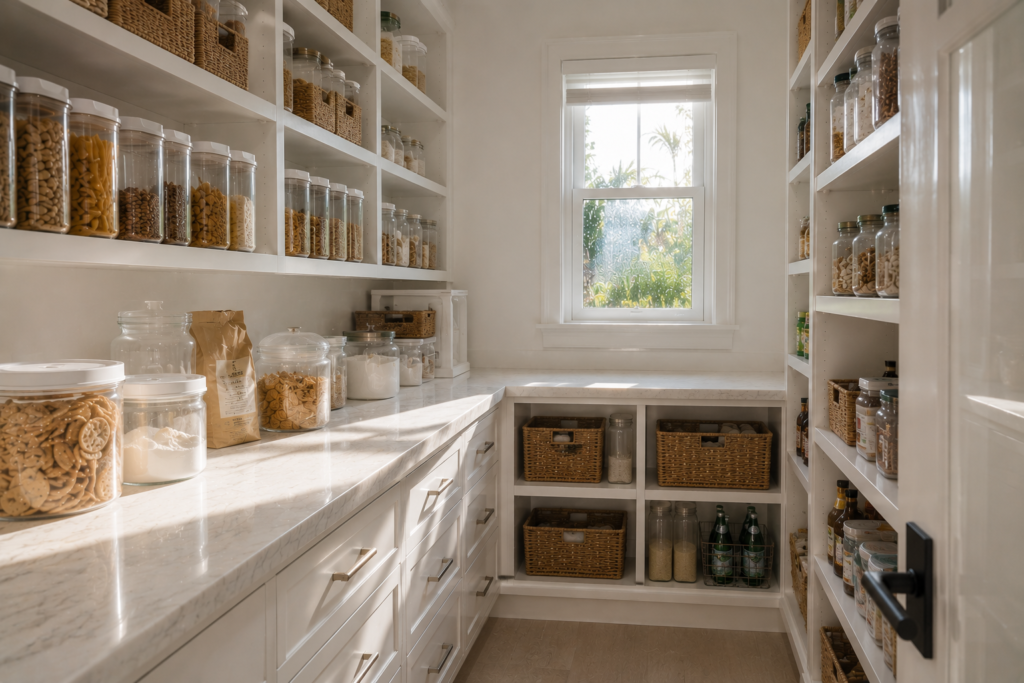
Airtight containers usually make the biggest difference for:
- flour
- sugar
- cereal
- crackers
- chips
- baking ingredients
- dry mixes
- spices
For dry pantry staples that are especially vulnerable to humid air, OXO Good Grips POP Containers and/or Stasher Reusable Silicone Bags provide effective airtight storage options.
Sensitive foods should stay away from:
- dishwashers
- ovens
- sunny exterior walls
- garage-adjacent cabinets
- laundry rooms
- warm utility spaces
Whole grains, nuts, seeds, and extra bread often store better in the freezer if they are not used quickly.
For many households, the goal is not eliminating humidity completely. The goal is reducing unnecessary moisture exposure inside the home environment surrounding the food.
When Food Changes Become A Safety Concern
Not every humidity-related food change means the food is dangerous.
Soft crackers, stale chips, clumped sugar, or altered baking texture are usually quality problems first. Visible mold, sour smells, pests, unusual wetness, or rancid odors are different.
The USDA notes that mold may spread below the visible surface in soft foods with higher moisture content. That is why moldy bread and similar foods are generally safer to discard completely rather than partially save.
A simple rule usually works well:
if a food smells wrong, looks wrong, feels unusually wet, or shows visible mold or pests, it should not be eaten.
Why Food Problems Often Reflect The Entire Home Environment
Food storage is one of the clearest everyday examples of how humidity changes life inside homes.
The same moisture behavior that softens crackers and speeds mold growth can also affect:
- cardboard storage boxes
- paper goods
- closets
- fabrics
- cabinets
- stored belongings
- bathroom surfaces
That does not automatically mean the home has a severe moisture problem. In many humid climates, some level of moisture interaction is simply part of everyday indoor living.
Understanding that distinction helps homeowners respond more realistically. Better moisture management is usually more important than trying to create perfectly dry indoor air year-round.
Frequently Asked Questions
Why Does Food Seem To Go Bad Faster In Florida?
Many homes in Florida experience high humidity, warmer kitchens, fluctuating indoor moisture levels, and long periods of elevated outdoor humidity. Those conditions can affect food texture, freshness, mold growth, packaging performance, and storage behavior after foods are opened.
Does Humidity Automatically Make Food Unsafe?
Not automatically. In many cases, humidity changes texture and freshness before it creates a true food safety issue. However, high humidity can increase spoilage and mold risk over time.
Why Does Bread Mold Faster In Humid Climates?
Bread already contains moisture, and warm humid air can support mold growth sooner. Homemade bread often molds faster because it usually contains fewer preservatives.
Why Do Chips And Crackers Go Stale So Quickly?
Crisp foods rely on dryness for their texture. Once humid air enters the package repeatedly, the food slowly absorbs moisture and loses crispness.
Why Does Flour Behave Differently In Humid Weather?
Flour absorbs moisture from humid air, which changes how much additional water it can absorb during baking. Doughs and batters may feel wetter or stickier even when recipes stay exactly the same.
Why Does Fruit Seem To Overripen Faster In Humid Homes?
Warm humid kitchens may accelerate moisture-related ripening behavior, especially in fruits that naturally release ethylene gas during ripening.
Should Pantry Foods Be Refrigerated In Humid Climates?
Not always. Some foods benefit from refrigeration or freezing, while others lose quality faster in cold storage. The better approach is understanding whether the food is most vulnerable to moisture, mold, oxidation, heat, or texture loss.
The Bottom Line
Food often seems to go bad faster in humid climates because moisture and warmth gradually change how foods behave inside the home. Bread molds sooner, chips stale faster, produce overripens more quickly, flour absorbs moisture from the air, and pantry packaging becomes less effective after opening.
For many homeowners, the biggest improvement comes from understanding how humid indoor environments affect food over time. Airtight storage, cooler pantry locations, better airflow, freezer storage for sensitive foods, and reducing repeated moisture exposure can make a noticeable difference inside humid homes.