
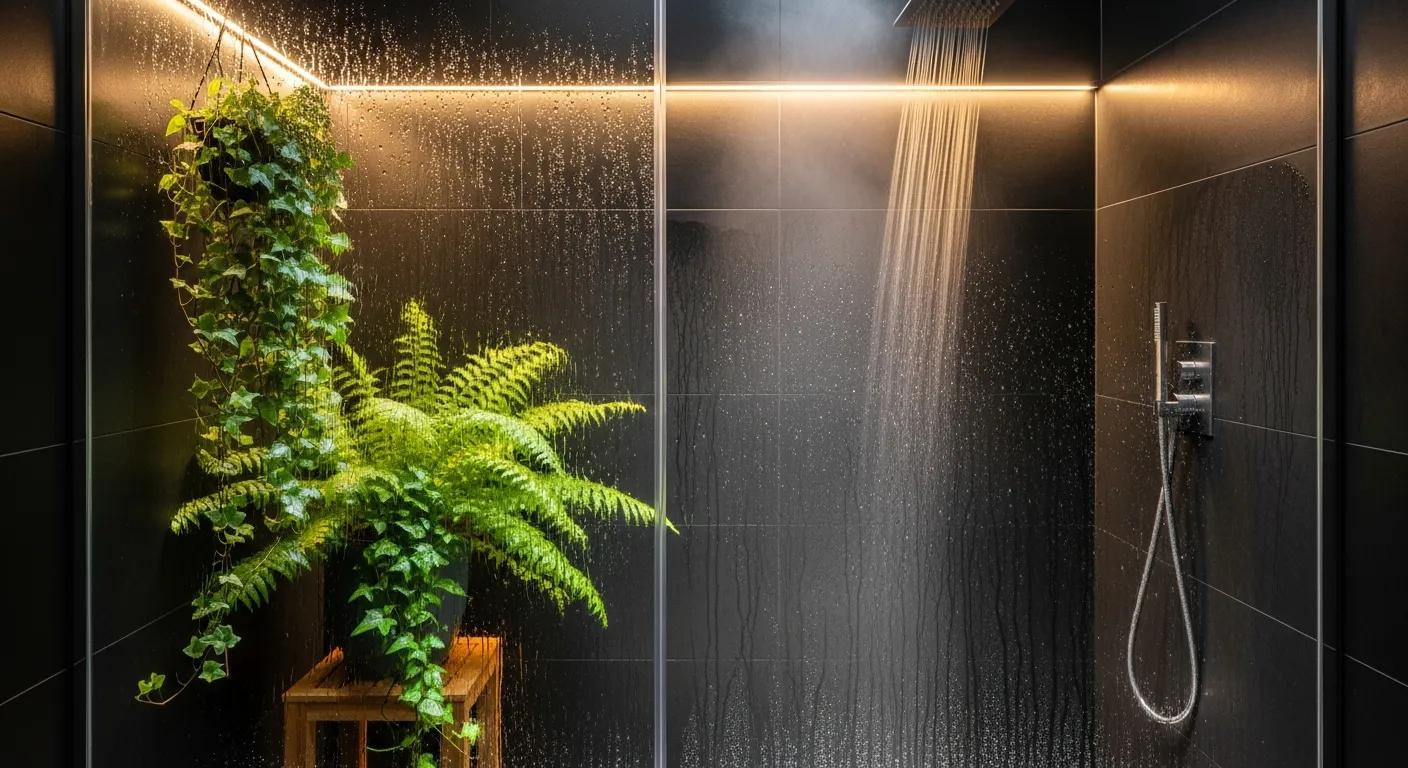
If you live in a humid climate, you’ve probably noticed showers that seem to never fully dry. That lingering dampness isn’t just annoying — over time it can cause musty smells, mold growth, and even damage to finishes and structure. In this guide we explain why showers stay wet in humid conditions and walk through practical, realistic solutions you can use today. You’ll learn the science behind moisture retention, which ventilation and design changes work best, simple daily habits for quicker drying, and how to stop mold before it starts.
What Causes Showers to Stay Wet in Humid Bathrooms?
The main reason showers remain wet in hot, humid bathrooms is simple: the air around them already holds a lot of moisture, so evaporation slows down. When the surrounding air is close to saturation, water on tiles, glass and grout has nowhere to go. Add condensation — warm, moist air cooling on tile or glass — and surfaces stay damp far longer than they should.
How Does High Humidity and Condensation Affect Shower Drying?
When humidity is high, the air can’t accept much more water vapor, so wet surfaces stop releasing moisture. That means shower walls and floors dry much more slowly. Condensation makes this worse: warm, humid air meeting cooler surfaces produces droplets that keep surfaces wet. Left unchecked, this cycle invites mold and unpleasant odors.
Why Do Humid Climates Amplify Lingering Bathroom Moisture?
Hot, humid climates intensify the problem because warm air naturally holds more moisture, increasing the chance that condensation will form on cooler surfaces. Many bathrooms also have limited airflow, so moist air lingers instead of being replaced. Together, these factors make targeted humidity control essential for a dry, healthy bathroom.
How Can Effective Ventilation Reduce Bathroom Humidity in Hot Climates?
Good ventilation is your most effective defense against bathroom humidity. Moving moist air out of the room speeds evaporation and shortens drying times. There are a few ventilation strategies that make a real difference in humid climates.
What Are the Best Bathroom Exhaust Fans for Humidity Control?
When choosing an exhaust fan for the best humidity control, match the fan’s CFM (cubic feet per minute) to your bathroom’s size so it can move air efficiently. Prefer quiet models with built-in humidity sensors so the fan runs when you need it. Reliable options to consider include:
- Panasonic WhisperCeiling: Quiet, energy-efficient operation that’s well suited for regular use.
- Broan-NuTone QTXE: Includes a humidity sensor and strong airflow for faster moisture removal.
- Delta Breez SLM: Slim profile with high CFM options for effective extraction in smaller spaces.
How Do Humidity Sensors and Advanced Ventilation Systems Improve Drying?
Humidity sensors and automated ventilation take the guesswork out of drying. These systems monitor moisture and switch fans or dehumidifiers on only when needed, keeping the room consistently drier without wasting energy. That steady control reduces drying time and lowers the chance of mold and water damage.
How Does Shower Enclosure Design Impact Moisture and Drying Speed?
Shower enclosure design plays a big role in how fast surfaces dry. Material choices, seals, doorway style and floor slope all affect how water behaves after a shower — whether it drains away quickly or lingers and soaks into surfaces.
What Role Do Shower Door Seals, Curtains, and Drainage Play in Moisture Control?
Door seals and properly hung curtains keep water inside the shower where it belongs, preventing extra moisture in the rest of the bathroom. Good drainage removes standing water right away; if water pools, it prolongs dampness and increases mold risk. Properly installed seals and well-planned drainage cut down the moisture you need to manage.
Which Shower Materials and Floor Slopes Help Prevent Condensation Problems?
Non-porous materials like glass and acrylic don’t absorb water, so they dry faster than porous surfaces. Flooring should slope toward the drain — typically 1/4 inch per foot — so water runs off instead of pooling. Those two choices together reduce surface moisture and help prevent condensation-related issues.
What Daily Habits Help Dry Bathrooms Quickly After Showering?
A few small, consistent habits make a noticeable difference in how quickly your bathroom dries after use. They’re inexpensive, fast, and easy to keep up.
How Can Post-Shower Routines Like Using a Squeegee and Air Circulation Help?
Wiping down walls and glass with a squeegee or towel immediately after showering removes most of the standing water and cuts drying time dramatically. Also, boost airflow by opening a window briefly, turning on the exhaust fan, or using a small circulation fan to move air across wet surfaces.
What Smart Home Technologies Assist in Rapid Bathroom Drying?
Smart exhaust fans, humidity sensors, and connected dehumidifiers can automate drying so you don’t have to remember to turn anything on. Many systems integrate with home automation platforms, letting you schedule runs or trigger devices remotely for consistent humidity control.
How Can Mold Growth and Water Damage Be Prevented in Humid Bathrooms?
Stopping mold and protecting finishes means managing moisture proactively: keep humidity down, dry surfaces fast, and clean regularly. Combine ventilation, material choices and routine maintenance for the best results.
What Are Effective Mold Prevention Strategies for Humid Shower Environments?
Keep humidity low with proper ventilation and, where needed, a dehumidifier. Clean high-moisture areas regularly with mold-inhibiting solutions to stop spores from taking hold. Using mold-resistant paint and materials in the shower area adds another useful layer of protection.
How Does Proper Maintenance Protect Against Structural Water Damage?
Routine checks and repairs prevent small problems from becoming expensive ones. Inspect plumbing for leaks, replace worn caulk and seals, and address discoloration or soft spots promptly. Timely maintenance preserves finishes and helps avoid hidden structural damage.
When Should You Seek Professional Solutions for Persistent Bathroom Moisture?
Sometimes DIY steps aren’t enough. Knowing when to call a pro helps you fix root causes before they worsen.
What Signs Indicate the Need for Professional Plumbing or HVAC Services?
Call a professional if dampness persists despite improved ventilation, if you see visible mold that returns after cleaning, or if a persistent musty smell won’t go away. Plumbing or HVAC specialists can diagnose hidden leaks, ventilation shortfalls, or humidity issues that need a technical fix.
Which Bathroom Upgrades and Installations Improve Drying in Humid Climates?
Consider upgrading to high-efficiency exhaust fans, adding a dedicated dehumidifier, or installing in-floor heating to speed surface drying. These upgrades can lower average humidity and make the bathroom far more comfortable and durable in humid climates.
| Ventilation System | Feature | Benefit |
|---|---|---|
| Exhaust Fans | Appropriate CFM rating for room size | Efficient moisture removal |
| Humidity Sensors | Automatic activation | Proactive moisture control |
| Dehumidifiers | Continuous moisture extraction | Maintains optimal humidity levels |
Putting these strategies together — right ventilation, sensible design choices, daily habits and targeted upgrades — helps homeowners keep bathrooms dry and healthy. With a few adjustments, you can minimize mold risk, stop unpleasant odors, and protect your home from moisture damage.
Frequently Asked Questions
What are the signs of excessive humidity in a bathroom?
Look for persistent damp surfaces, visible mold or mildew, a musty smell, and condensation on mirrors or windows after showers. These are clear signals that humidity control needs attention.
How can I improve air circulation in my bathroom?
Install an appropriately sized exhaust fan, open windows when possible, and use portable or ceiling fans to move air. Positioning vents and fans to encourage cross-flow helps moisture leave the room faster.
Are there specific cleaning products that help prevent mold in bathrooms?
Yes. Mold-inhibiting cleaners with bleach, white vinegar, or hydrogen peroxide effectively remove and kill mold spores. Use them regularly on grout, tile and corners where moisture collects.
What role does bathroom layout play in moisture retention?
Layout affects airflow: cramped or blocked spaces trap humid air. Keep areas around fixtures clear, place vents strategically, and avoid clutter to improve circulation and reduce damp spots.
How often should I clean my bathroom to prevent humidity issues?
Weekly light cleaning helps remove soap scum and mildew before they build up; a deeper clean monthly keeps grout and hidden spots mold-free. Regular maintenance also ensures ventilation systems work well.
Can plants help reduce humidity in a bathroom?
Certain plants—like peace lilies, spider plants, and Boston ferns—can absorb some moisture and improve air quality. They’re a helpful complement to ventilation but not a replacement for mechanical humidity control.
What are the benefits of using a dehumidifier in a bathroom?
A dehumidifier actively pulls excess moisture from the air, lowering humidity, reducing mold risk, cutting odors, and improving comfort. They’re especially useful in consistently humid climates or bathrooms without good ventilation.
The Bottom Line
Managing bathroom humidity in humid climates doesn’t have to be complicated. Focus on good ventilation, thoughtful materials and drainage, simple daily routines, and timely maintenance. When needed, add humidity controls or professional upgrades to keep your bathroom dry and healthy. Use these practical tips to protect your space and enjoy a fresher, more comfortable bathroom every day.