
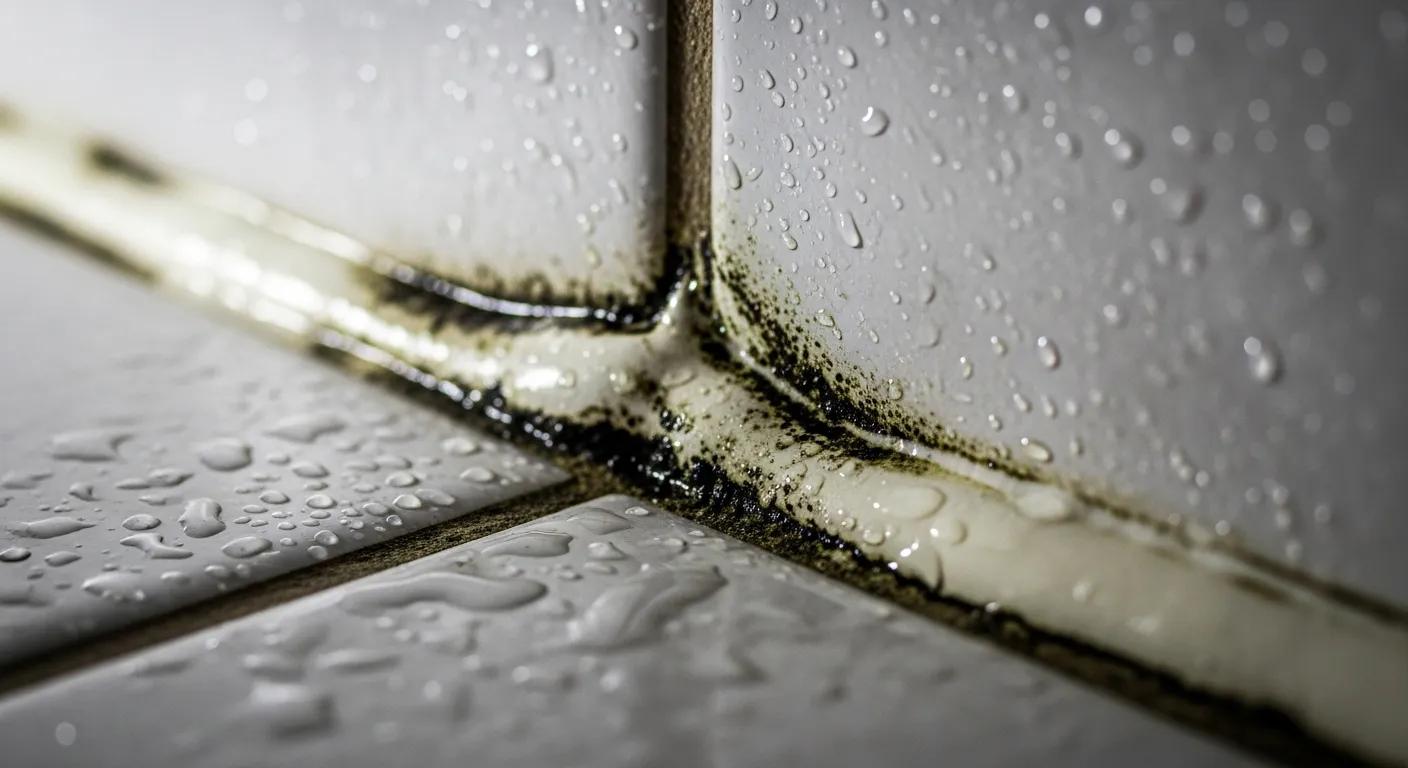
In humid bathrooms, grout and caulk often act like tiny moisture reservoirs — and that trapped dampness can lead to mold, stains, and hidden damage. This guide explains the mechanics behind moisture retention, the health and structural risks, and practical steps you can take to keep your bathroom dry and safe. We cover what grout is made of, how caulk works (and fails), the health concerns from mold, and modern sensing tools homeowners can use.
How Grout’s Porosity Causes Moisture to Linger in Bathrooms
Grout is a naturally porous material, which makes it capable of absorbing and holding moisture — especially in high-humidity spaces like bathrooms. Those tiny pores let water penetrate and remain, creating damp conditions that encourage mold and mildew. Knowing how grout is built and how it handles water helps you choose the right materials and maintenance steps to avoid problems.
What Grout Is Made Of and Why Its Porous Structure Matters
Most grout is a mix of cement, water, and fine aggregates. The binder (cement) holds the mix together, but microscopic voids between particles are normal — and those voids let water enter. Correct mixing and curing make grout more water-resistant, but even well-installed grout can absorb moisture over time if it isn’t sealed or maintained. Left unchecked, that moisture can weaken the grout and create conditions where mold takes hold.
Research offers more detail on how grout porosity affects moisture movement and overall performance.
Grout Porosity & Moisture Retention Properties Porosity strongly influences how injection grouts behave, including how moisture travels through them. When interconnected porosity is reduced compared with the original material, capillary paths can be interrupted — which may trap moisture and cause crystallisation of soluble contaminants at interfaces. The study examined grouts made with reduced water content (prepared with water–ethanol or with air-entraining/water‑reducing agents such as albumin) and measured related properties: water vapour permeability, capillary water absorption, and mechanical strength. It evaluated how water-reducing components change those behaviors. Performance of grout with reduced water content: The importance of porosity and related properties, C Pasian, 2016
How Moisture in Grout Creates a Platform for Mold
When grout stays damp, it supplies the moisture mold spores need to germinate and spread. Mold needs moisture, warmth, and a surface to cling to — and porous grout provides both moisture and texture for growth. Over weeks or months this turns into visible staining and potential health risks for people with allergies or respiratory sensitivities.
How Caulk Can Trap Moisture and Encourage Mold in Humid Bathrooms
Caulk is meant to seal gaps and keep water out, but when it’s applied poorly or ages and cracks, it can do the opposite: allow water to collect behind the seal. That hidden moisture becomes an ideal spot for mold and can also lead to rot in the substrate behind tiles or fixtures. Spotting common failure points and using the right products helps prevent this.
How Caulk Works as a Sealant — and When It Lets Moisture In
Caulk forms a flexible, watertight bead around tubs, sinks, and tile joints. But if the bead cracks, pulls away, or was laid over dirty or damp surfaces, water can seep past it and pool behind finishes. Repeated wet–dry cycles and temperature changes accelerate wear, and once moisture is trapped behind caulk, mold and structural problems can follow.
Which Types of Caulk Resist Mold Best in Bathrooms?
For bathrooms, choose caulks made for wet environments. 100% silicone caulk is a common recommendation because it stays flexible, resists water, and tolerates temperature changes. Many bathroom caulks also include mold-inhibiting additives — look for labels that say “mold-resistant” or “mildew-resistant” to get extra protection in high-humidity areas.
Health Risks and Structural Damage from Moisture in Grout and Caulk
Trapped moisture in grout and caulk can cause both health and building problems. Mold can affect indoor air quality and sensitive individuals, while persistent dampness can undermine walls, floors, and framing. Understanding these risks helps prioritize fixes before the damage gets expensive.
How Mold Exposure from Damp Surfaces Affects Respiratory Health
Mold releases spores that can become airborne and irritate the lungs, especially for people with asthma, allergies, or compromised immune systems. Short-term exposure may cause coughing, sneezing, or throat irritation; long-term exposure can worsen chronic respiratory conditions. Addressing moisture quickly reduces these risks.
What Long-Term Water Damage Can Happen Behind Grout and Caulk
When moisture sits behind finishes, it can soften drywall, rot wood framing, and corrode fasteners — often out of sight. Over time these issues can force costly repairs or full-area replacements. Regular inspections and prompt repairs minimize the chance that routine moisture becomes a major structural problem.
Effective Mold-Prevention Strategies for Bathroom Grout and Caulk
Preventing mold starts with controlling moisture. Combined strategies — good ventilation, the right materials, proper installation, and routine maintenance — make the biggest difference in keeping grout and caulk dry and mold-free.
How Proper Ventilation and Humidity Control Reduce Moisture Buildup
Ventilation removes the wet air produced by showers and baths. Install an exhaust fan that vents outdoors and run it during and for at least 20 minutes after bathing. In persistently humid homes, a dehumidifier helps keep relative humidity in check; aim to stay below 60% (ideally between 30% and 50%) to discourage mold growth.
Best Practices for Applying Mold-Resistant Grout and Caulk
Use high-quality, mold-resistant grout and seal it after it fully cures. For caulk, prepare surfaces so they are clean and dry, apply a continuous bead without gaps, and tool it smooth for good adhesion. Inspect seals periodically and replace any caulk that shows cracking, gaps, or persistent staining to maintain a reliable waterproof barrier.
How Homeowners Can Detect and Remediate Hidden Mold Behind Grout and Caulk
Hidden mold can be hard to spot, but early signs often show up before a bigger problem develops. Knowing what to look for and when to call a professional helps you act fast and limit damage.
Common Signs of Hidden Mold Growth in Bathrooms
Look for a persistent musty smell, discoloration at grout lines or corners, water stains, peeling paint, or blistering wallpaper. Condensation on mirrors and windows after showers can also indicate consistently high humidity. Early detection makes remediation simpler and less expensive.
When to Consider Professional Mold Remediation and Caulk Replacement
If mold covers a large area, returns after cleaning, or if you suspect mold has reached behind walls or under flooring, call a professional. Professionals can assess the full extent, remove contaminated materials safely, and replace grout or caulk correctly. Also consider help if occupants have health problems linked to mold exposure.
Emerging Technologies and Products That Help Monitor and Prevent Bathroom Moisture
New tools make it easier to monitor bathroom humidity and respond before damage starts. From smart sensors to improved product formulations, technology gives homeowners practical ways to keep moisture under control.
How Smart Moisture Sensors and Modern Dehumidifiers Improve Bathroom Air Quality
Smart humidity sensors watch relative humidity and alert you when levels exceed set thresholds, so you can run ventilation or a dehumidifier proactively. Modern dehumidifiers often include smart controls for efficient, automated operation — both reduce the time surfaces stay damp and lower the risk of mold.
Recent studies underline why tracking humidity matters for comfort and health and show typical ranges found in real bathrooms.
Smart Bathroom Humidity Monitoring for Health Humidity — the amount of moisture in air — directly affects indoor comfort and health. Low humidity can cause dry skin and irritation; high humidity encourages bacterial and mold growth. This study used a BME280 sensor with an ESP32 microcontroller on the Favoriot platform to measure bathroom humidity in staff, student, and boarding house settings. Average humidity ranged from about 63%–68% in staff bathrooms, 63%–72% in student bathrooms, and 70%–77% in boarding house bathrooms. The findings emphasize keeping humidity within comfortable limits and tailoring interventions where levels stay high. Smart IoT based Bathroom Monitoring System to assess the Humidity Levels for Human Comfort, M Iqbal, 2023
What New Mold-Resistant Materials Exist for Grout and Caulk?
Manufacturers now offer grout and caulk with antimicrobial additives and improved formulations that slow or prevent mold growth. These advanced products add a protective layer that helps keep joints and seams cleaner longer — a good choice when renovating or repairing wet areas.
When planning updates, look for verified mold-resistant products and follow manufacturer instructions for best longevity.
Frequently Asked Questions
What are the best ways to maintain grout and caulk in humid bathrooms?
Regular cleaning and routine checks are the simplest and most effective measures. Clean grout with a mild detergent and soft brush, wipe down wet areas after use, and inspect caulk for cracking or gaps. Reseal grout after curing and replace caulk when it shows wear. Combine these steps with good ventilation and humidity control to keep moisture from building up.
How often should I replace caulk in my bathroom?
Inspect caulk at least once a year. Replace it when you see cracking, peeling, or mold that won’t clean off. In high-moisture bathrooms, expect to replace caulk every 3–5 years depending on product quality and conditions.
Can I use regular caulk in a bathroom?
Regular caulk is not ideal for bathrooms. For wet areas, use a waterproof, mold-resistant product — silicone-based caulk is usually the best choice because it stays flexible and resists moisture and mildew.
What are the signs that I have a moisture problem in my bathroom?
Watch for visible mold, a persistent musty smell, water stains, peeling paint, or condensation on mirrors and windows. These signs often indicate elevated humidity or hidden leaks that should be addressed.
How can I improve ventilation in my bathroom?
Install an exhaust fan that vents outdoors and run it during and for at least 20 minutes after bathing. Make sure the fan is sized for your room. When weather allows, open a window to let fresh air circulate. In rooms without windows or with persistent humidity, add a dehumidifier.
What should I do if I find mold behind my caulk or grout?
Remove the affected caulk or grout while wearing gloves and a mask, clean the area with an appropriate mold-killing solution (household vinegar or a commercial cleaner), let it dry completely, and then reinstall mold-resistant caulk or grout. If mold covers a wide area or returns after cleaning, hire a professional remediation service to ensure the problem is fully resolved.
The Bottom Line
Moisture retention in grout and caulk is a common but manageable problem. By choosing the right materials, applying them correctly, keeping humidity under control, and inspecting seals regularly, you can prevent mold and avoid costly repairs. Small, consistent steps — better ventilation, periodic sealing, and timely caulk replacement — go a long way toward a healthier, longer‑lasting bathroom.