
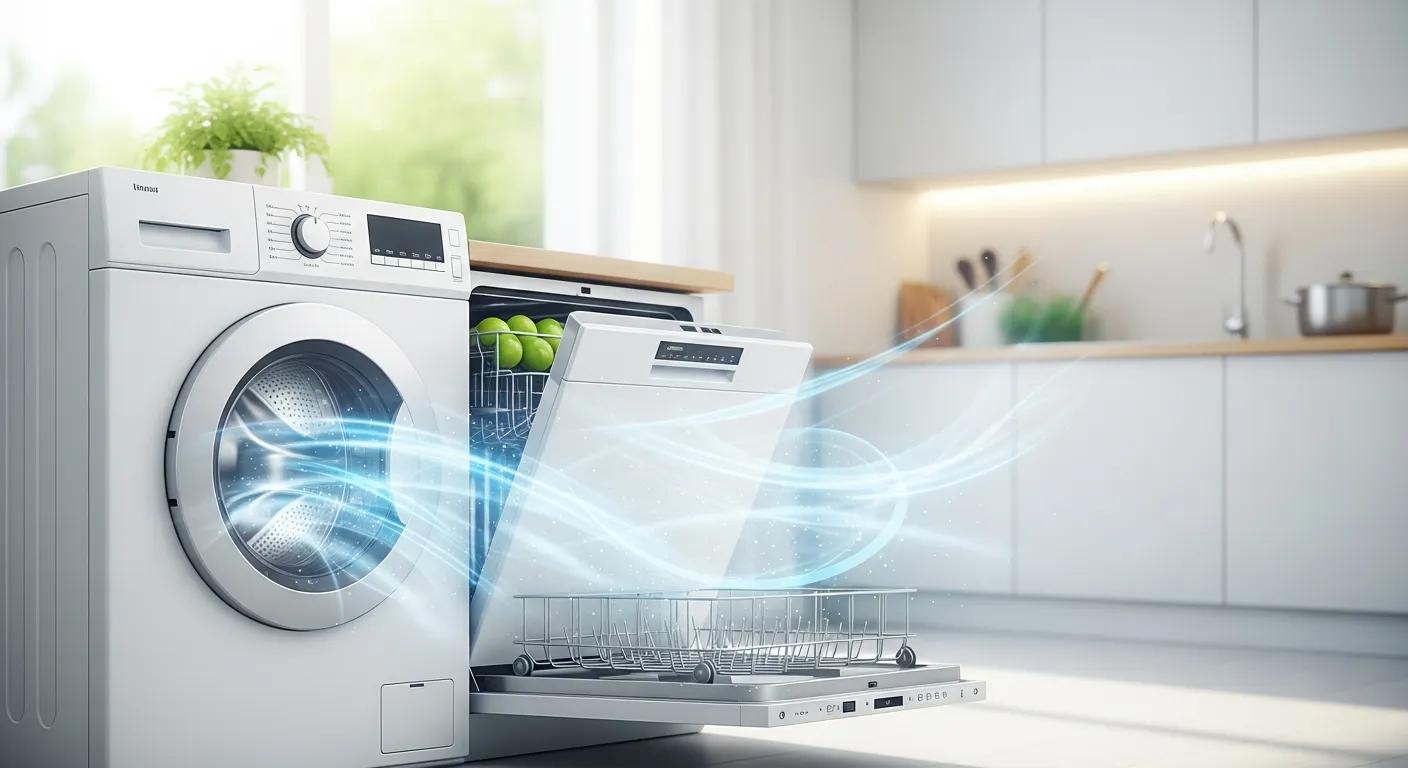
A persistent musty smell coming from a washer, dishwasher, or other appliance is more than an annoyance — it usually means mold or mildew is growing where moisture collects. This guide explains why that happens in humid homes, which appliances are most at risk, and practical steps you can take to prevent and remove those odors. Read on for clear, actionable tips on humidity control, maintenance routines, and when to call a pro so you can keep your home fresh and healthy.
What causes musty smells in appliances in humid homes?
Those sour, musty odors are typically the result of excess moisture and high indoor humidity, encouraging mold and mildew to grow inside appliance parts. Below we break down how humidity, condensation, and poor airflow create the ideal conditions for these fungi and why trapped water matters.
How does high humidity promote mold and mildew growth in appliances?
High indoor humidity gives mold spores the moisture they need to settle and grow. When relative humidity regularly climbs above 60%, the chance of mold developing inside appliances rises sharply. Machines that hold or recycle water — like washing machines and dishwashers — can trap dampness in seals, drums, and pans. Leftover food, detergent film, and other organic residues provide nutrients that help mold spread.
Research underscores this link between high indoor humidity and increased mold risk, reinforcing the need for environmental control.
High indoor humidity and preventing mold growth Buildings in hot, humid climates can experience elevated indoor humidity that encourages mold — a situation that affects occupant health and comfort. In settings with high mechanical ventilation, maintaining an appropriately cool set point can help limit mold risk; one analysis pointed to an optimal cooling target around 20 °C to reduce conditions favorable to mold growth. Preventing mold growth and maintaining acceptable indoor air quality for educational buildings operating with high mechanical ventilation rates in hot and humid …, A Alaidroos, 2023
What role do condensation and poor ventilation play in appliance odors?
Condensation forms when warm, humid air hits cooler surfaces, leaving water behind in places like door seals, drip pans, and crevices. If airflow is restricted, that moisture stays trapped and gives mold a chance to take hold. Keeping appliances aired out and improving ventilation around them cuts down on stagnant moist pockets and the persistent musty smells they produce.
Which appliances are most affected by musty and mildew smells?
Some appliances are simply more vulnerable because of how they move or store water. Knowing which ones to check regularly helps you catch problems early and avoid stubborn odors.
Why do washing machines develop musty smells in humid conditions?
Washing machines — especially front-loaders — are frequent offenders. Water can hide in the rubber door seals, detergent dispensers, and the drum, letting mold and mildew colonize those areas. Detergent and fabric residue act as food sources, making the problem worse. Wiping seals, running cleaning cycles, and leaving the door open after a load all help keep these spots dry and odor-free.
Studies confirm washing machines are common sites for fungal colonization and that regular cleaning matters for health and hygiene.
Washing machines: fungal colonization and health implications Household washing machines provide conditions that support fungal growth, which may pose health risks and contribute to building-related illness. In one study, fungi were found in 82% of machines sampled, with the inner rubber door seal being the area most often colonized. The findings highlight the need for routine cleaning and disinfection. Evaluation of building washing machines as an extreme environment for potentially pathogenic fungi, Z Zareshahrabadi, 2023
Other investigations reach similar conclusions: the inner seals and damp crevices of washers are frequent hot spots for fungal growth.
Washing machine contamination and health risks Household washing machines can become ecological niches for fungi, with a high proportion of sampled devices showing contamination. The inner rubber seal is commonly affected, which underscores the importance of cleaning and occasional disinfection to reduce potential health risks. Evaluation of building washing machines as an extreme environment for potentially pathogenic fungi, Z Zareshahrabadi, 2023
What causes mildew odors in dishwashers and how can you spot them?
Dishwashers can develop mildew when food scraps accumulate or when they sit unused, allowing moisture to linger in seals and corners. Typical signs include a musty smell when you open the door or visible mold on the rubber gasket or interior surfaces. Running a hot cleaning cycle with vinegar or a dishwasher cleaner and removing trapped debris will usually clear the smell.
Research also shows that dishwasher seals are common reservoirs for fungi and bacteria.
Dishwasher rubber seals: reservoirs for fungi and bacteria Studies have found extensive microbial contamination on dishwasher rubber seals, making them a notable source of household microbes that can survive under the machine’s fluctuating conditions. The dishwasher rubber seal acts as a reservoir of bacteria in the home environment, J Ambrožič Avguštin, 2019
Multiple studies support the idea that seals and tight corners in dishwashers harbor diverse microorganisms unless cleaned regularly.
Dishwasher rubber seals: fungi and bacteria reservoirs Research indicates that rubber seals in dishwashers can host large and resilient microbial communities. Both fungi and bacteria have been documented in these areas, highlighting the need for regular cleaning and maintenance. The dishwasher rubber seal acts as a reservoir of bacteria in the home environment, J Ambrožič Avguštin, 2019
How can you prevent musty smells in appliances in humid homes?
Prevention combines controlling indoor humidity with routine appliance care. The following practical steps help keep moisture and mold from taking hold.
What are effective humidity control methods to protect appliances?
Keeping humidity in check reduces the likelihood of mold growth. Useful methods include:
- Use dehumidifiers : Put dehumidifiers in rooms that stay damp — basements, laundry areas, or kitchens — to bring down overall moisture.
- Improve ventilation : Make sure appliances have room for air to circulate and use exhaust fans where possible to move humid air outside.
- Monitor humidity levels : Keep a hygrometer on hand and act if indoor humidity climbs above about 60%.
Which regular cleaning and maintenance practices help avoid appliance odors?
Simple, consistent maintenance prevents most odor problems. Try these habits:
- Cleanseals and drip pans : Wipe down rubber seals and empty or clean drip pans to remove trapped moisture and organic residues.
- Run cleaning cycles : Periodically run an empty hot cycle with vinegar or baking soda in washers and dishwashers to dissolve buildup and kill spores.
- Leave doors open : After use, prop doors or lids open to let the interior dry fully between cycles.
How do you get rid of mold and musty smells in appliances?
If a musty smell is already present, targeted cleaning and, in severe cases, professional help will restore freshness. The steps below cover easy DIY fixes and when to escalate.
What DIY cleaning solutions remove musty odors from appliances?
Try these at-home remedies that are safe and effective for most minor mold and odor problems:
- Vinegar solution : Mix equal parts water and white vinegar and use it to wipe seals, gaskets, and removable parts.
- Baking soda : Leave an open box or a small bowl of baking soda inside an unused appliance to absorb lingering smells.
- Essential oils : A few drops of tea tree or lavender in a cleaning solution can add a fresh scent and, in the case of tea tree oil, extra antifungal properties. Use sparingly and follow safety guidance.
When should you seek professional mold remediation services?
Call a professional if the mold problem is widespread or if cleaning doesn’t solve the issue. Warning signs include:
- Visible mold growth : Extensive or hard-to-reach mold patches usually require specialized removal techniques.
- Persistent odors : If the smell returns after cleaning, underlying mold may be hidden in walls, ducts, or insulation.
- Health concerns : If household members develop respiratory symptoms or allergic reactions, address the problem promptly and get professional help as needed.
Broader studies on residential mold highlight the health and structural risks, especially in older homes with porous building materials and limited ventilation.
Residential mold: risks, health impacts and remediation approaches Mold in homes can threaten both occupant health and the building structure, particularly in older houses with porous materials and poor ventilation. Inspections often find widespread mold that requires multiple remediation strategies such as removal, dehumidification, and other targeted treatments. Integrating Household Characteristics, Mold Inspection and Remediation Data to Develop Localized Mold-Risk Profiles for Residential Buildings, P Salehi, 2025
What are the health risks associated with mold and mildew in household appliances?
Mold and mildew inside appliances can affect indoor air quality and may contribute to respiratory symptoms, allergies, and other health problems for sensitive people. Understanding the risks helps you decide how aggressively to respond.
How can mold and mildew affect indoor air quality and respiratory health?
Mold spores released from contaminated appliances can circulate through the home and worsen indoor air quality. Exposure may trigger allergy symptoms, asthma attacks, or other respiratory issues, especially for people with existing sensitivities. Controlling humidity and keeping appliances dry are key steps to reduce exposure.
What steps ensure a healthy home environment free from appliance odors?
Use a combination of maintenance and air quality measures to protect your household:
- Regular maintenance : Keep a simple cleaning schedule for washers, dishwashers, and other moisture-prone appliances.
- Humidity control : Use dehumidifiers and monitor indoor humidity to keep it in a safe range.
- Air purifiers : Consider HEPA air purifiers to reduce airborne particles, including some mold spores, and improve overall air quality.
| Humidity Control Method | Description | Effectiveness |
|---|---|---|
| Dehumidifiers | Devices that reduce moisture in the air | High |
| Ventilation improvements | Enhancing airflow around appliances | Medium |
| Monitoring humidity levels | Using hygrometers to track humidity | High |
Frequently asked questions
What are the signs that my appliance has mold or mildew?
Look for a persistent musty odor, visible black or discolored spots around seals and gaskets, and moisture or standing water in drip pans and crevices. Washers often smell when you open the door; dishwashers sometimes have odors after a cycle. Regular inspections of seals and drains help you spot issues early.
How often should I clean my appliances to prevent musty smells?
A monthly basic cleaning is a good routine for washers and dishwashers: wipe seals, run a hot cleaning cycle with vinegar or a cleaner, and remove debris. More frequent checks may be needed in very humid environments.
Can musty smells in appliances affect my health?
Yes. Musty odors usually indicate mold or mildew, which can release spores that worsen indoor air quality and trigger allergies or respiratory issues in sensitive people. Keeping humidity low and ensuring good ventilation reduces these risks.
What should I do if my appliance smells even after cleaning?
If odors return after cleaning, there may be hidden mold in parts you can’t reach or a broader humidity problem. Try a deeper clean or a commercial cleaner designed for mold. If that doesn’t work, consider professional remediation, especially if mold is visible or occupants have health concerns.
Are there specific products I should use to clean appliances?
Common, effective options include white vinegar, baking soda, and appliance cleaners made for mold and odor removal. Vinegar is a natural disinfectant and baking soda absorbs smells. Always follow appliance manufacturer guidance to avoid damaging components.
How can I improve ventilation around my appliances?
Give appliances space so air can move freely, avoid stacking items on top of them, and use exhaust fans in kitchens and laundry rooms. Where possible, leave doors or panels open after use to help the interior dry.
What are the long-term solutions for preventing musty smells in appliances?
Maintain indoor humidity below 60%, use dehumidifiers in problem areas, keep to a regular cleaning schedule, and consider air purifiers for added protection. Consistent maintenance and monitoring are the best defenses against mold and recurring odors.
The Bottom Line
Musty appliance smells usually point to moisture and microbial growth, but they’re preventable. Control humidity, keep appliances clean and ventilated, and address persistent problems early — you’ll protect both your home and your health. For tough or widespread mold, don’t hesitate to seek professional help. Explore our guides and prevention tips to keep your home fresh and comfortable.