
Living in a humid house often brings one common worry: fungal growth. Mold and mildew are easy to mix up, but knowing how they differ helps you manage and prevent them more effectively. In this guide we explain what each one is, how to spot them, the health concerns to watch for, and practical steps to prevent and remove them. If you learn to identify these fungi early, you can protect both your home and your health.
What Are Mold and Mildew? Defining Key Fungal Entities
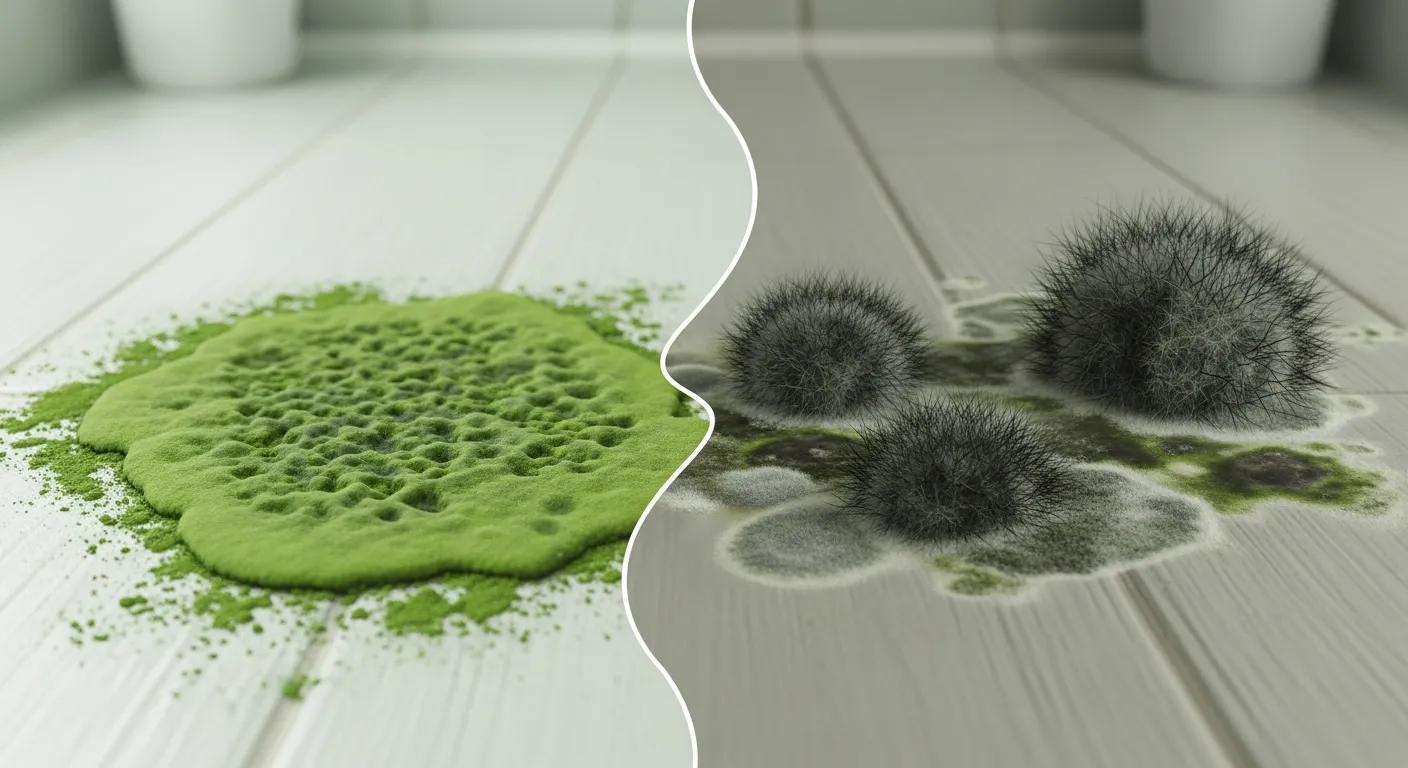
Both mold and mildew are fungi that prefer damp conditions, but they don’t look or behave exactly the same. Mold can show up in many colors and textures—often fuzzy or slimy—on a wide range of surfaces. Mildew is usually a specific form of mold that looks flat and powdery or downy, most often white or gray, and commonly appears on plants and in bathrooms.
What is Mold? Characteristics and Growth Patterns
Mold is a broad group of fungi found indoors and outdoors. It spreads via spores that travel through the air. Some well-known genera include Penicillium and Aspergillus; Stachybotrys chartarum (commonly called black mold) is notable because it can produce mycotoxins under certain conditions. Mold favors warm, humid environments, so bathrooms, kitchens and basements are frequent hotspots. Growth patterns vary—some molds form small spots, others can spread across large areas.
Research shows the specific humidity and moisture conditions that allow black mold to grow and produce mycotoxins.
Black Mold Growth & Mycotoxin Production in Humid Homes Stachybotrys chartarum can grow at room temperature (around 25 °C) when relative humidity reaches about ≥ 93%, and mycotoxin production by this fungus has been observed at water activity (w) values ≥ 0.95 [16,67]. These thresholds are notably high. Update on Stachybotrys chartarum—Black Mold Perceived as Toxigenic and Potentially Pathogenic to Humans, M Dyląg, 2022
Is Mildew a Type of Mold? Defining Mildew and Its Traits
Mildew is generally treated as a form of mold with its own typical appearance and habits. Both need moisture to grow, but mildew tends to stay on the surface, forming a flat, powdery or downy layer. You’ll often find it on organic surfaces like wood, fabric and plant leaves. Recognizing these traits helps you choose the right cleaning and prevention approach.
How to Identify Mold vs. Mildew: Appearance, Smell, and Locations
Telling mold from mildew usually comes down to look, smell and where it grows. Mold varies widely in color and texture; mildew is usually white or gray and remains powdery or downy on the surface. Both can cause musty odors, though mold often smells stronger and more pungent.
What Are the Visual Differences Between Mold and Mildew?
Visually, mold can appear green, black, orange or other colors and is often fuzzy or slimy. Mildew is more likely to be flat and powdery or downy, typically white or gray. Spotting these differences helps you decide whether a simple clean will do or if you need a deeper remediation.
Where Do Mold and Mildew Commonly Grow in Humid Homes?
Anywhere moisture builds up is at risk. Mold shows up in bathrooms, kitchens and basements—places with poor ventilation or plumbing leaks. Mildew commonly appears on damp surfaces like shower curtains, grout, painted walls and on plants. Finding and fixing the source of moisture is the first step in prevention.
What Are the Health Effects of Mold and Mildew Exposure?
Exposure to these fungi can affect health, especially for people with allergies, asthma or weakened immune systems. Knowing the likely symptoms can help you act sooner.
How Does Mold Impact Respiratory Health and Allergies?
Mold exposure can trigger coughing, sneezing and wheezing, and may worsen asthma or allergic reactions. In sensitive people, repeated or prolonged exposure can lead to more persistent respiratory problems and other health concerns. If symptoms improve when you’re away from home, mold could be a contributing factor.
Epidemiologic research consistently links indoor dampness and visible mold with respiratory and allergic symptoms, though some causal details remain uncertain.
Indoor Dampness, Mold, and Respiratory Health Effects Many studies report consistent associations between evident indoor dampness or mold and respiratory or allergic health effects, while definitive causal pathways are still being clarified. Respiratory and allergic health effects of dampness, mold, and dampness-related agents: a review of the epidemiologic evidence, MJ Mendell, 2011
What Mild Health Issues Can Mildew Cause?
Mildew is usually less aggressive than other molds, but it can still cause irritation—things like nasal congestion, scratchy throat or mild skin irritation. People with allergies or asthma may notice symptom flare-ups when mildew is present, so it’s worth addressing quickly.
How Can You Prevent Mold and Mildew in Humid Homes?
Preventing fungal growth means controlling moisture and improving airflow. Small, consistent actions make a big difference in keeping your home dry and mold-free.
What Are Effective Humidity Control Methods to Prevent Fungal Growth?
Keep indoor humidity in check with dehumidifiers and by fixing leaks promptly. Aim to keep relative humidity below 60%—ideally between 30% and 50%—and inspect areas prone to dampness regularly. These steps reduce the conditions fungi need to grow.
How Does Proper Ventilation Help in Mold and Mildew Prevention?
Good ventilation lowers moisture buildup by moving humid air out of the house. Use exhaust fans in bathrooms and kitchens, open windows when weather allows, and consider air purifiers where appropriate. Better airflow helps prevent both visible growth and hidden problems behind walls.
What Are the Best Removal Methods for Mildew and Mold?
When you find fungal growth, act with the right method and safety precautions. Small spots often respond to DIY cleaning; larger infestations usually require professional help.
How to Safely Remove Mildew: DIY Cleaning Steps
For mildew on non-porous surfaces, try a 1:1 mix of white vinegar and water or a commercial mildew cleaner. Spray, let it sit briefly, then scrub and rinse. Wear gloves and a mask to avoid inhaling spores, and ventilate the area while you clean.
When Should You Seek Professional Mold Remediation Services?
Call a pro when mold covers a large area, when it returns after cleaning, or when household members have worsening health symptoms. If visible mold is more than about 10 square feet, or if the source is inside walls or HVAC systems, professional remediation is the safer option.
| Fungal Type | Characteristics | Common Locations | Health Effects |
|---|---|---|---|
| Mold | Fuzzy; various colors | Bathrooms, kitchens, basements | Respiratory issues, allergies |
| Mildew | Powdery or downy; typically white or gray | Damp surfaces, plants | Mild respiratory symptoms, skin irritation |
Knowing how mold and mildew differ—and how to prevent and remove them—helps you keep your home healthier. Address moisture quickly, clean visible growth safely, and call professionals when the problem is extensive.
Frequently Asked Questions
What are the key differences in the growth patterns of mold and mildew?
Mold often grows irregularly and can be fuzzy or slimy, sometimes spreading over large areas. Mildew tends to form a flat, powdery layer on the surface of materials. These patterns help you decide whether a surface scrub or more extensive remediation is needed.
Can mold and mildew affect indoor air quality?
Yes. Mold releases spores—and some species can release mycotoxins—that may worsen indoor air quality and trigger respiratory or allergic reactions. Mildew also contributes to musty smells and can aggravate sensitivities. Controlling humidity and ventilating well are key to protecting air quality.
What are some signs of mold and mildew growth in a home?
Look for visible discoloration (black, green, white or other colors), a persistent musty odor, and unexplained respiratory or allergy symptoms in residents. Check moisture-prone spots regularly to catch growth early.
How can I tell if I have black mold specifically?
Black mold (Stachybotrys chartarum) often appears dark green to black and may feel slimy on wet surfaces. It favors areas with high moisture and water damage. Because of potential health risks, consider a professional inspection if you suspect black mold.
Are there any natural remedies for removing mildew?
Yes. White vinegar diluted with water sprayed onto mildew and then scrubbed off is effective for many surfaces. A baking soda paste can also lift stains. These natural options are safer than harsh chemicals for routine cleaning.
What should I do if I find mold in my home?
For small, non-porous areas you can clean with detergent, a vinegar solution or a commercial mold cleaner—always wearing gloves and a mask. For larger infestations, recurring mold, or health concerns, contact a professional remediation service to assess and remove the problem safely.
How often should I check for mold and mildew in my home?
Inspect moisture-prone areas like bathrooms, kitchens and basements every few months, and always after heavy rain or flooding. Early detection prevents larger problems and costly repairs.
The Bottom Line
Understanding the difference between mold and mildew makes it easier to prevent, spot and treat fungal growth. Control moisture, improve ventilation, and act quickly on visible growth. If the situation is large or affects your health, get professional help. For more practical tips on keeping your home mold-free, explore our guides.