
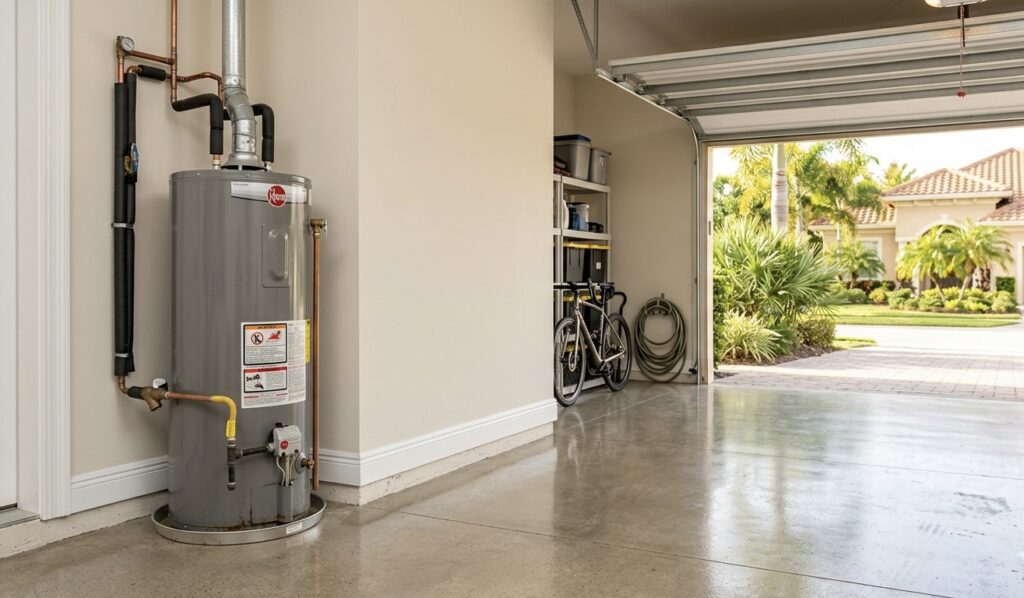
Water heaters keep homes running—supplying hot water for showers, dishes, laundry and more. In hot, humid climates, though, heat and moisture speed up wear and can shorten a unit’s life. This guide explains how long different types of water heaters usually last in humid conditions, what factors accelerate wear, and which maintenance and environmental steps help you get more years out of your equipment. You’ll find average lifespans, how humidity affects performance, practical upkeep tips, and warning signs to watch for.
What’s the average lifespan of water heaters in humid climates?
Lifespan depends on heater type and the local environment. Conventional tank water heaters typically last about 8–12 years, while tankless units often reach 20 years or more. That said, persistent humidity can speed corrosion and other wear, which may shorten those estimates if you don’t take preventive steps.
Tank vs. tankless: how do lifespans compare?
Tank models usually wear out sooner than tankless systems. Expect about 8–12 years for a tank unit and 20+ years for a properly maintained tankless unit. Tankless heaters benefit from on‑demand heating (less idle time and reduced sediment buildup), but both styles need consistent maintenance—especially in humid settings where corrosion is more likely.
Which factors most affect water heater lifespan in humid environments?
Several things influence how long a water heater lasts in humid areas. High humidity raises corrosion risk for metal parts. Water quality (hardness) leads to mineral deposits that reduce efficiency. Poor installation can cause leaks and other failures. Regular, targeted maintenance is the best way to slow these issues and extend a unit’s service life.
How does humidity change water heater performance and durability?
Humidity alters both performance and longevity. Moist air encourages rust and condensation, which can reduce efficiency and damage components over time.
How does humidity speed up corrosion and rust?
Moisture in the air creates favorable conditions for rust to form on steel tanks and plumbing. Over time, corrosion can weaken the tank and connections, leading to leaks and premature failure. Using corrosion‑resistant materials where possible and checking the unit regularly helps catch problems early.
How does condensation affect efficiency and structural integrity?
In humid spaces condensation can form on the heater’s exterior, soaking insulation or promoting surface rust and even mold. That reduces thermal efficiency and, left unchecked, can cause structural damage. Improving ventilation and keeping insulation dry are simple, effective protections.
What maintenance keeps water heaters running longer in humid climates?
Routine maintenance is the single best way to extend a water heater’s life in humid areas. A few targeted tasks prevent common humidity‑related problems and keep the system efficient.
How often should you flush your water heater?
Flushing the tank at least once a year is a good baseline to remove sediment that settles at the bottom. Sediment lowers efficiency and can cause overheating and noisy operation. Annual flushing helps maintain performance and reduces stress on the unit.
Why inspect and replace the anode rod more often in humid areas?
The anode rod sacrificially corrodes to protect the tank. In humid environments it can wear out faster, so check it every 1–3 years and replace as needed. A sound anode rod is one of the most cost‑effective ways to prevent tank rust and extend service life.
Which environmental controls protect water heaters from humidity damage?
Controlling the environment around the heater cuts the effects of humidity. Simple changes to the utility area can pay big dividends in durability.
Can ventilation or a dehumidifier extend a water heater’s life?
Yes. Adding a dehumidifier in the utility room and ensuring good airflow around the unit lowers ambient moisture, reducing corrosion risk and helping the heater run more efficiently. Even modest ventilation improvements can prevent moisture buildup on and around the tank.
How does pipe insulation reduce condensation?
Insulating hot and cold water pipes keeps their surfaces closer to the water temperature, which prevents the outside of the pipe from cooling and attracting moisture. Proper pipe insulation reduces condensation, curbs rust risk, and improves overall system efficiency.
What warning signs point to water heater failure in humid climates?
Early detection lets you fix small issues before they become major expenses. In humid areas watch carefully for signs that often indicate corrosion or internal problems.
How do rust, leaks, and noises reveal corrosion?
Visible rust on the tank or fittings, water pooling around the unit, and unusual sounds like popping or rumbling are common red flags. Popping often means sediment is trapped and boiling under heat, while rumbling can signal scaling or internal wear. Inspect regularly and act quickly when you see or hear these symptoms.
When is it time to repair or replace a water heater in a humid area?
Decisions depend on age, extent of damage, and repair cost. If a unit is over 10 years old and shows significant corrosion or persistent inefficiency, replacement is usually more economical than repeated repairs. Regular checks and maintenance can delay that point, but know that age plus corrosion often tips the balance toward replacement.
| Type | Average lifespan | Maintenance needs | Corrosion resistance |
|---|---|---|---|
| Tank Water Heaters | 8-12 years | Annual flushing, anode rod inspection | Moderate |
| Tankless Water Heaters | 20+ years | Annual descaling, filter cleaning | High |
This table summarizes typical lifespans and upkeep needs for each type. Regular maintenance is especially important in humid climates to slow corrosion and preserve efficiency.
Water heaters in hot, humid regions face extra challenges from moisture and heat, but a proactive approach pays off. Understand your unit’s expected life, keep up with flushing and anode‑rod checks, control humidity in the utility area, and watch for early warning signs. Those steps will help you avoid unexpected failures and keep hot water flowing reliably for years.
Frequently Asked Questions
Which water heater types work best in humid climates?
Tankless water heaters are often the best choice in humid areas because they typically last longer and have less risk of internal corrosion compared with tank models. On‑demand heating reduces standing water and sediment buildup. Whenever possible, choose units with corrosion‑resistant components and solid warranties.
How do I tell if my water heater is suited to a humid environment?
Look for corrosion‑resistant materials, good insulation, and a design that limits direct moisture exposure. Models marketed for coastal or high‑humidity use often include extra protective coatings or stainless components. Regular inspections also ensure the unit remains in good condition in challenging environments.
How does hard water affect water heaters in humid climates?
Hard water causes mineral buildup that reduces efficiency and increases stress on the heater. In humid conditions that problem can compound because corrosion and scale together accelerate wear. Annual flushing and a water softener or conditioner are effective ways to reduce mineral buildup and extend life.
Are any brands notably durable in humid climates?
Several manufacturers are known for durable, well‑built units—brands like Rheem, A.O. Smith, and Bradford White commonly get recommended for their use of quality materials and corrosion‑resistant options. Still, check specific model features, reviews, and warranty coverage before you buy.
How can I improve the efficiency of my water heater in a humid climate?
Insulate the tank and pipes, schedule regular maintenance (flushing, anode checks), and control humidity in the utility area with ventilation or a dehumidifier. These steps reduce heat loss, limit condensation, and help the heater run more efficiently.
My water heater is making popping or rumbling sounds—what should I do?
Popping usually means sediment buildup; a flush often fixes it. If the sounds persist after maintenance, have a professional inspect the unit for corrosion or internal damage. Prompt action can prevent leaks or sudden failure.
The Bottom Line
In humid climates, water heaters require a bit more attention—but the payoff is clear: longer service life and fewer costly surprises. Keep to a maintenance schedule, control humidity around the unit, and watch for rust, leaks, or unusual noises. These proactive steps will keep your system efficient and dependable. For more tips, check our other guides on outdoor equipment and maintenance for homes in humid climates.